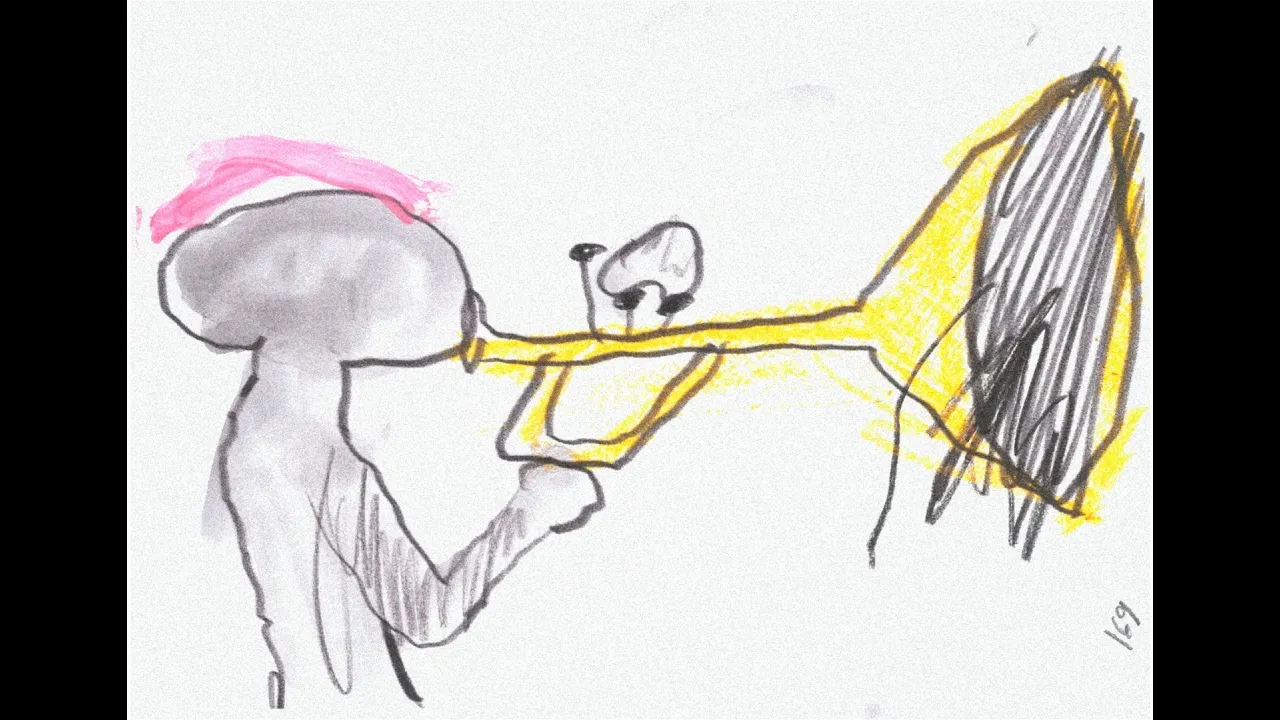
Flea - Honora
Martin Raičević
Album

A chance discovery
It seemed like just another quiet evening in front of my new TV—or, as a friend would say, the "devil's instrument." Then, out of nowhere, the YouTube algorithm recommended a video from the Jimmy Fallon show. I don't often click on algorithm suggestions, but I was intrigued by the image of a band with an unusual array of instruments, and the name Flea was, of course, familiar. I knew instantly that this was something special. I started digging for information and realized I had stumbled upon it exactly the night before the full album release. Let’s look at what I found.
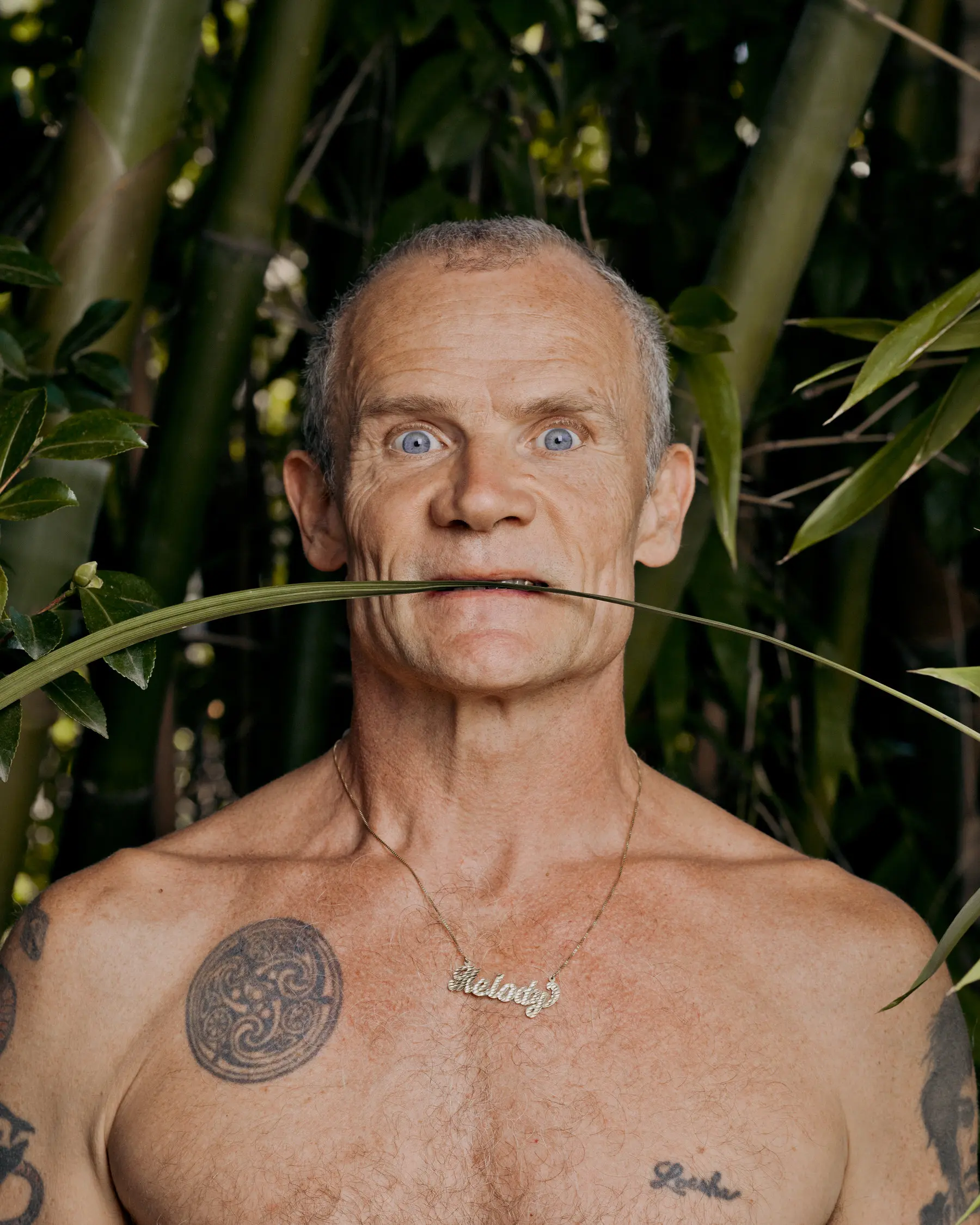
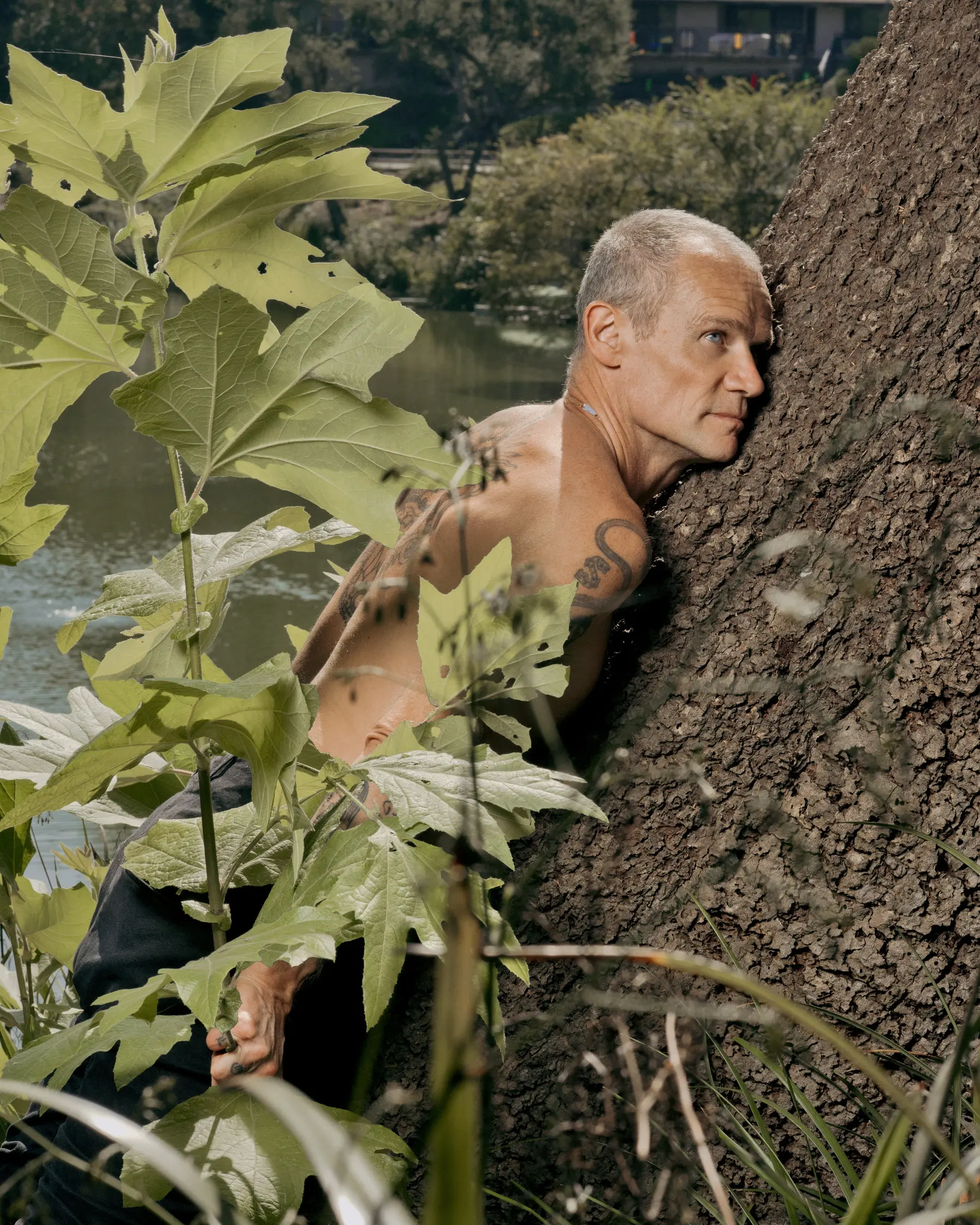
If your image of Michael Balzary, globally known as Flea, has so far been limited to the kinetic energy of the Red Hot Chili Peppers' bassist, the album Honora will—just as it did for me—force a radical rethink. I love these fascinating moments when an icon pauses, takes a breath, and returns to what shaped them long before the sold-out stadiums, money, and fame.
Bass guitar? Trumpet? Both!
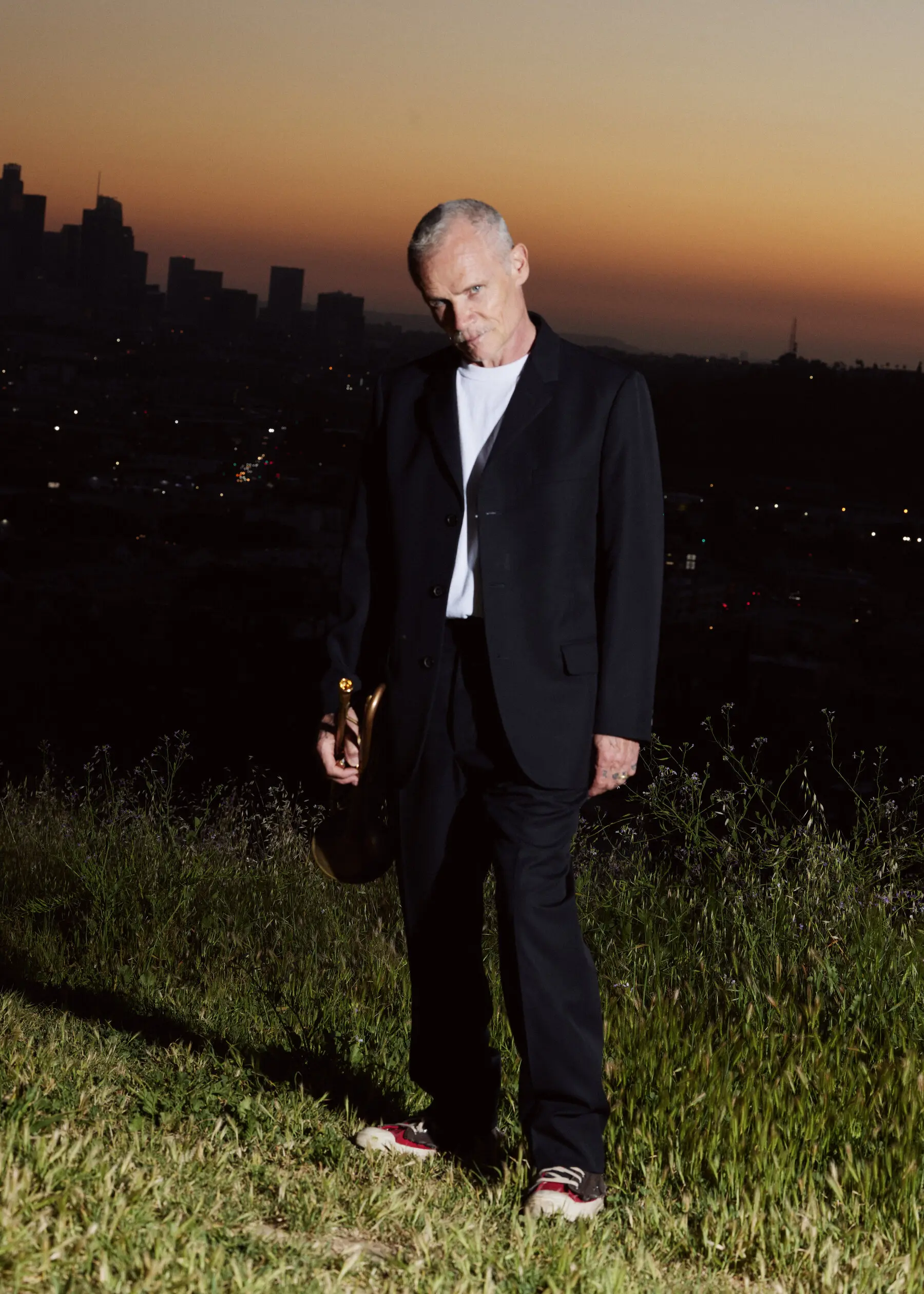
On his first full-length solo album, Flea returns to his first love: jazz and the trumpet. Honora is the result of a two-year ascetic drill, during which Flea practiced the trumpet every single day to rediscover a part of his artistic identity that he had once suppressed in favor of the bass.
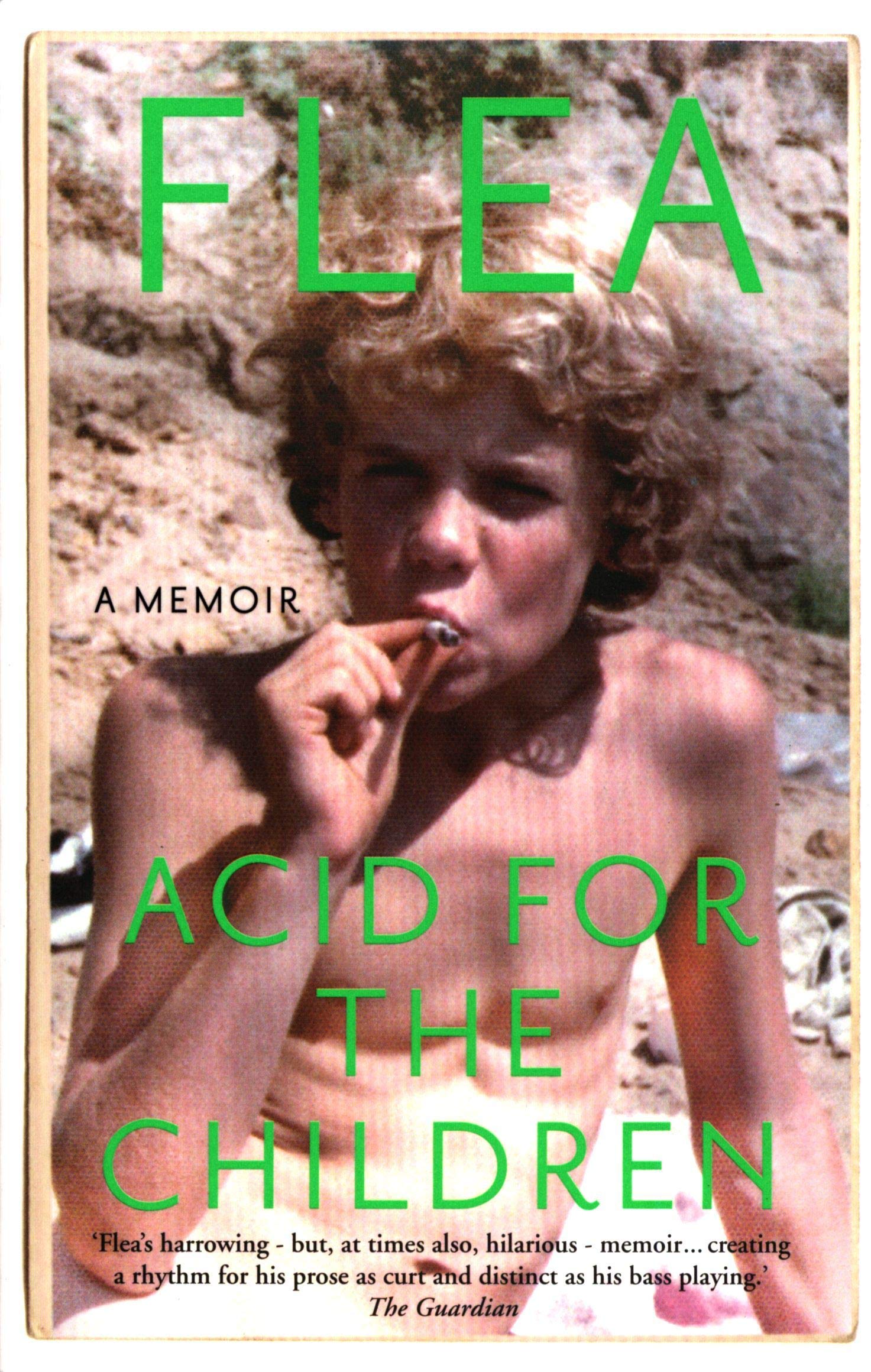
To understand why Flea is returning to his jazz roots at age 63, we must look back at his youth, chronicled in his autobiography Acid for the Children (2019). The book's title isn't just a literal reference to LSD; "acid" here serves as a metaphor for the psychedelic chaos of his childhood in 1970s Los Angeles. Flea grew up in the household of jazz musician and alcoholic Walter Urban, where drugs and improvisation flowed in the same breath. It was there that a young Michael first saw the trumpet as the "queen of instruments" before Hillel Slovak nudged him toward the bass at age sixteen. Acid for the Children ends exactly where the Peppers begin—and Honora is essentially a musical sequel to this search for identity, far from the glare of stadium spotlights.
In tune with the times…
It is hard to imagine a more urgent introduction than what Flea offers on the single "A Plea." A track recorded in the relative calm of a studio now feels like a prophetic vision in light of current headlines. With a raw delivery somewhere between a Sun Ra chant and a punk manifesto, Flea repeatedly invokes the motif of civil war: "Civil War! Civil War!" His questions—asking if ugliness and guns are coming and if the army will blot out the sun ("Is the army coming, blotting out the sun?")—take on a new, visceral dimension amidst the current U.S. invasion of Iran. Here, Flea acts not as a political commentator but as a medium capturing the fear for humanity in times when diplomacy fails and society is so deeply divided that one side can hardly find common ground with the other.
"Oh, how can we live inside the upside down?"
"How will we live inside the upside down?"
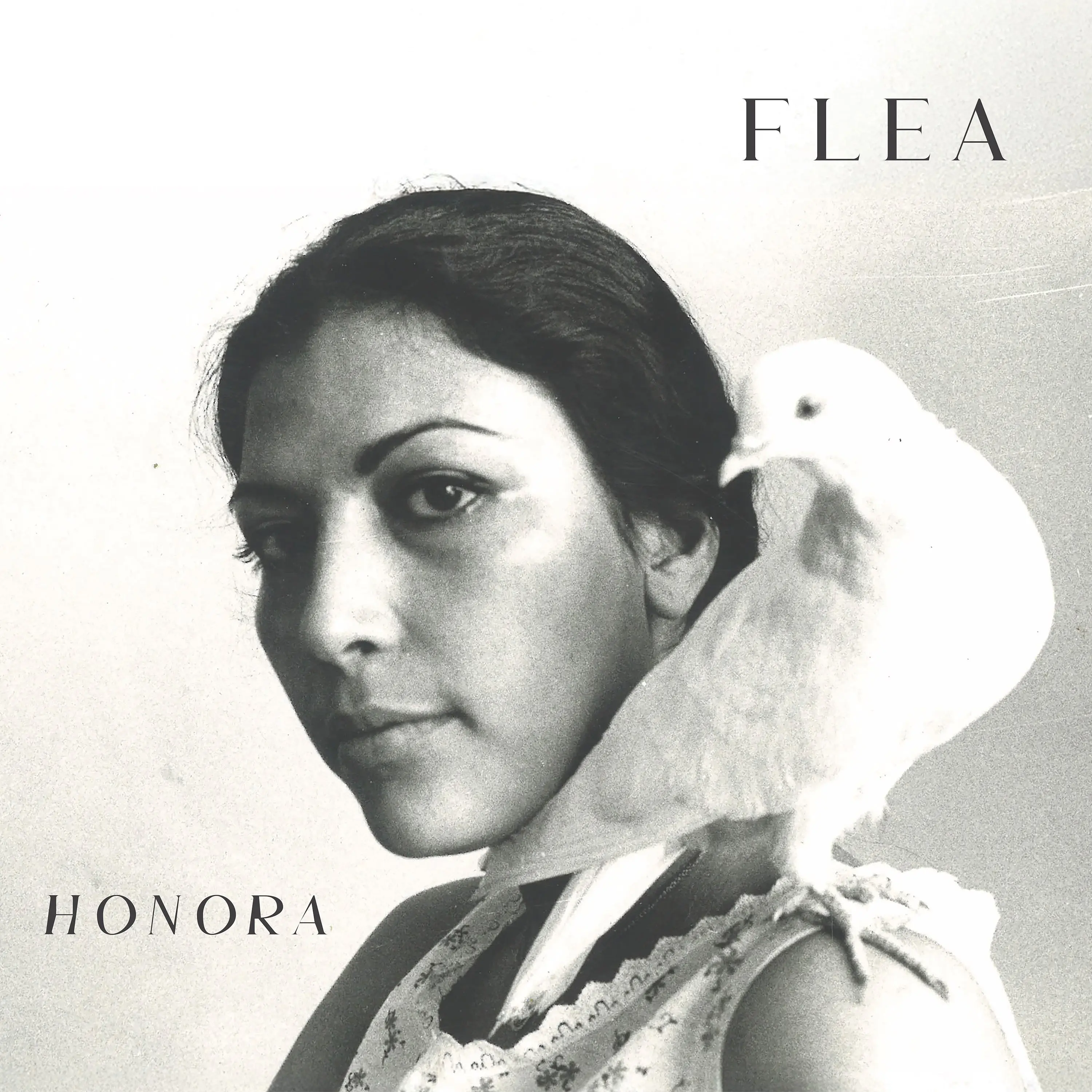
The visual and spiritual heart of the project is the album cover. It features Shahin Badiyan, Michael Balzary’s mother-in-law, in a photograph taken in Iran during the late 1960s. The portrait of a young woman with a white bird perched on her shoulder is interpreted by Flea as a symbol of strength and the desire for a free Iran. Today, this image stands as a memento of a country once again at the center of a global storm. The connection to Iran is deeply personal for Flea through his wife, designer Melody Ehsani, whose family fled the country following the 1979 revolution.
Musically, I find Honora to be an atmospheric gem where Flea sheds the role of the "rock star" to become the bandleader of an elite ensemble. With the help of Thom Yorke on the haunting "Traffic Lights" and Nick Cave on a melancholic rendition of "Wichita Lineman," he has crafted a work that is as much avant-garde jazz as it is an urgent plea for peace. It is a document of a search for inner peace at a moment when the world outside is fracturing once again. For those who need to hear "the god in everyone" in these times, you would be hard-pressed to find a more sincere record lately.